The Benefits Of Using A Concrete Pump For Your Next Project
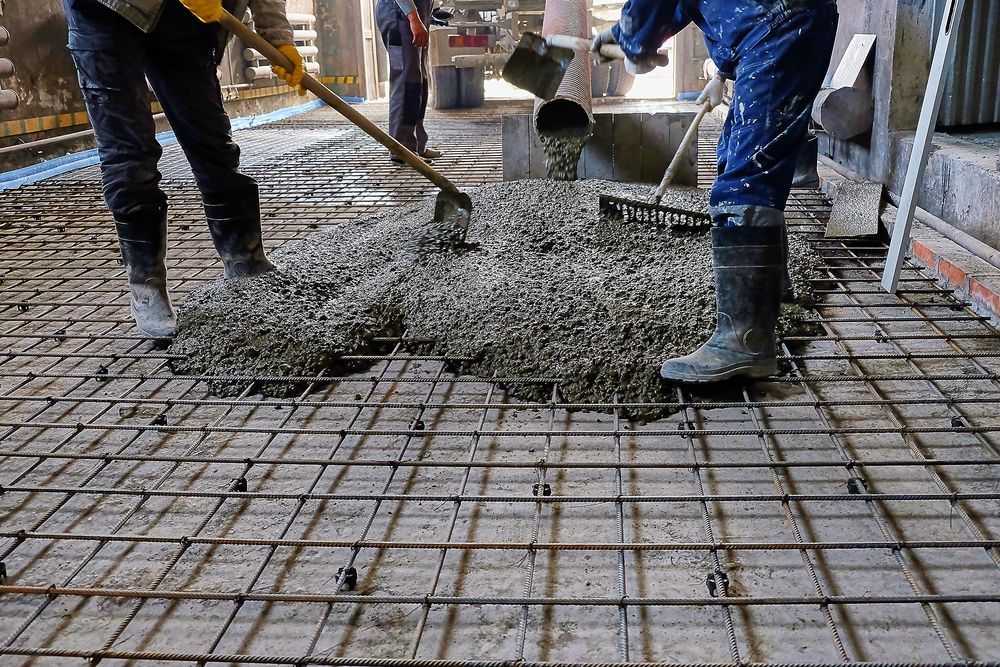
The main benefits of concrete pumping are faster, cleaner and more accurate placement, particularly when a concrete truck cannot reach the pour area. Instead of moving concrete one wheelbarrow at a time, a pump delivers it directly to where the crew needs it. But is a pump always necessary? Not quite. The right choice depends on your site access, pour size and how easily concrete can be placed without one.
Is a Concrete Pump Worth It? The Short Answer
The benefits of concrete pumping are most noticeable when access is difficult, the pour point is some distance from the truck or the crew needs a continuous supply of concrete. If you're pouring a backyard slab behind an existing house, for example, manually transporting concrete can involve repeated wheelbarrow trips through narrow accessways.
A pump can make placement more manageable by delivering concrete directly to the work area. On the other hand, if a mixer truck can position its chute beside a small pour, pumping may add equipment and setup that the job doesn't need. The practical question isn't simply whether a pump is faster. It's whether the access, labour and placement requirements justify using one.
Concrete Pump vs Wheelbarrow: What Actually Changes on Pour Day?
Imagine preparing for a concrete pour where the truck must remain at the front of the property. Without a pump, the crew may need to move concrete from the truck to the pour area using wheelbarrows. That means repeated trips, manual handling and coordinating deliveries with the people spreading and finishing the concrete.
What Changes When You Use a Pump?
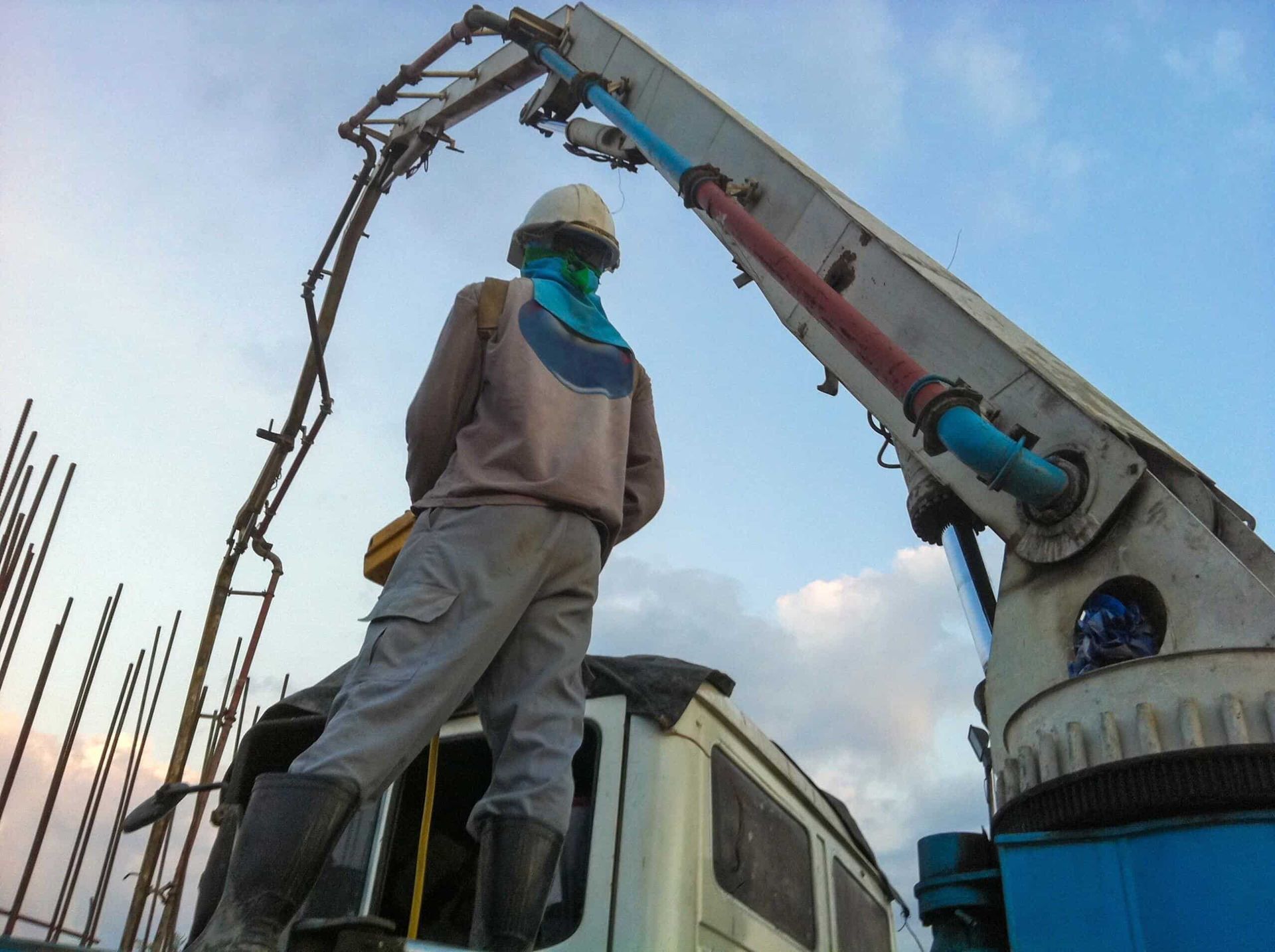
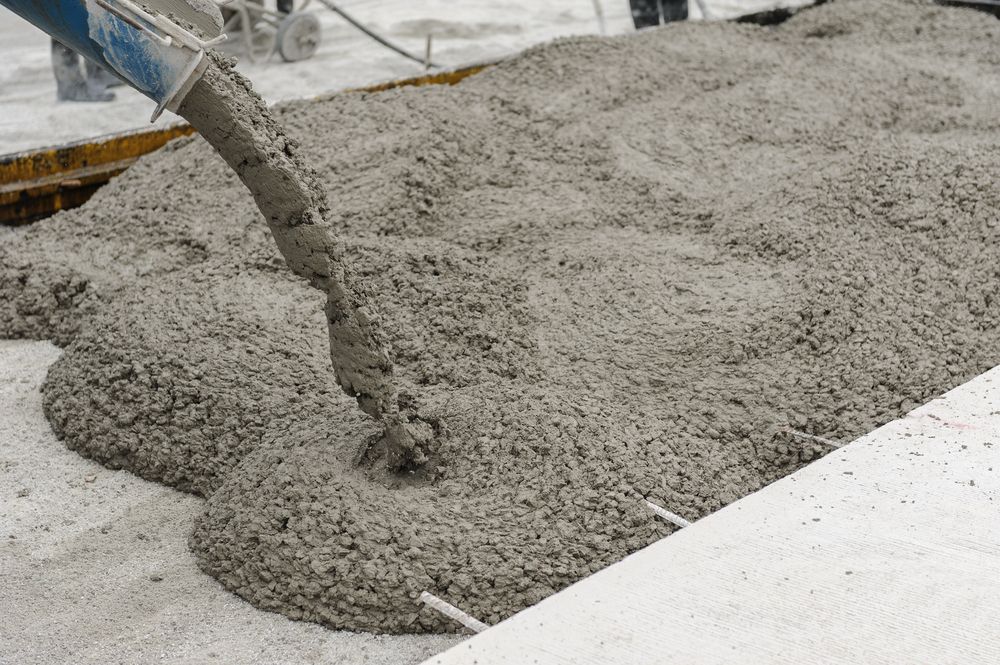
With a concrete pump, the operator positions the equipment and directs concrete towards the prepared pour area. Instead of relying on repeated wheelbarrow loads, the crew receives concrete where it needs to be placed. The main advantages include:
- Less heavy manual handling: Workers spend less time pushing loaded wheelbarrows.
- More direct placement: Concrete reaches the designated area without repeated trips across the property.
- Cleaner accessways: Fewer wheelbarrow movements can reduce mess along paths and surrounding areas.
- More consistent delivery: The finishing crew can work with a steadier supply of concrete.
- Better access management: Pumping can avoid moving loaded wheelbarrows through narrow or awkward spaces.
The crew still needs to spread, level and finish the concrete. Pumping improves delivery to the pour area; it doesn't replace skilled concreting work.
Where Does Pumping Make the Biggest Difference?
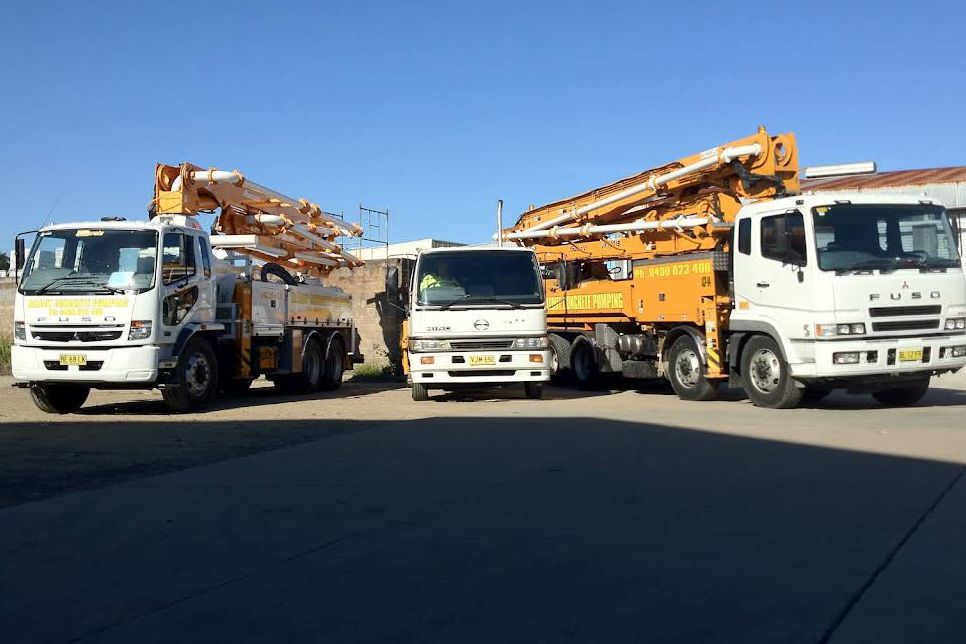
Many of these advantages become clear on residential concrete pumping jobs, particularly around backyards, pool areas and driveways. Allout Concrete Pumping began more than 10 years ago with a single truck focused on residential projects, including new homes, renovations and landscaping.
Our business has since grown into a fleet supporting commercial, industrial and mining work. That experience reflects an important principle: efficient concrete placement starts with understanding the site, not simply choosing the largest piece of equipment.
How Does a Pump Help on Tight or Hard-to-Reach Sites?
Access is often the deciding factor when choosing between pumping and manual placement. A concrete mixer truck needs somewhere suitable to stop and discharge its load. It cannot always reach the exact location of a slab, footing or pool surround.
What If the Concrete Truck Can't Reach the Backyard?
Consider a property with an existing house between the street and the planned concrete area. The truck may have to remain at the front, leaving the crew to transport concrete along the side access.
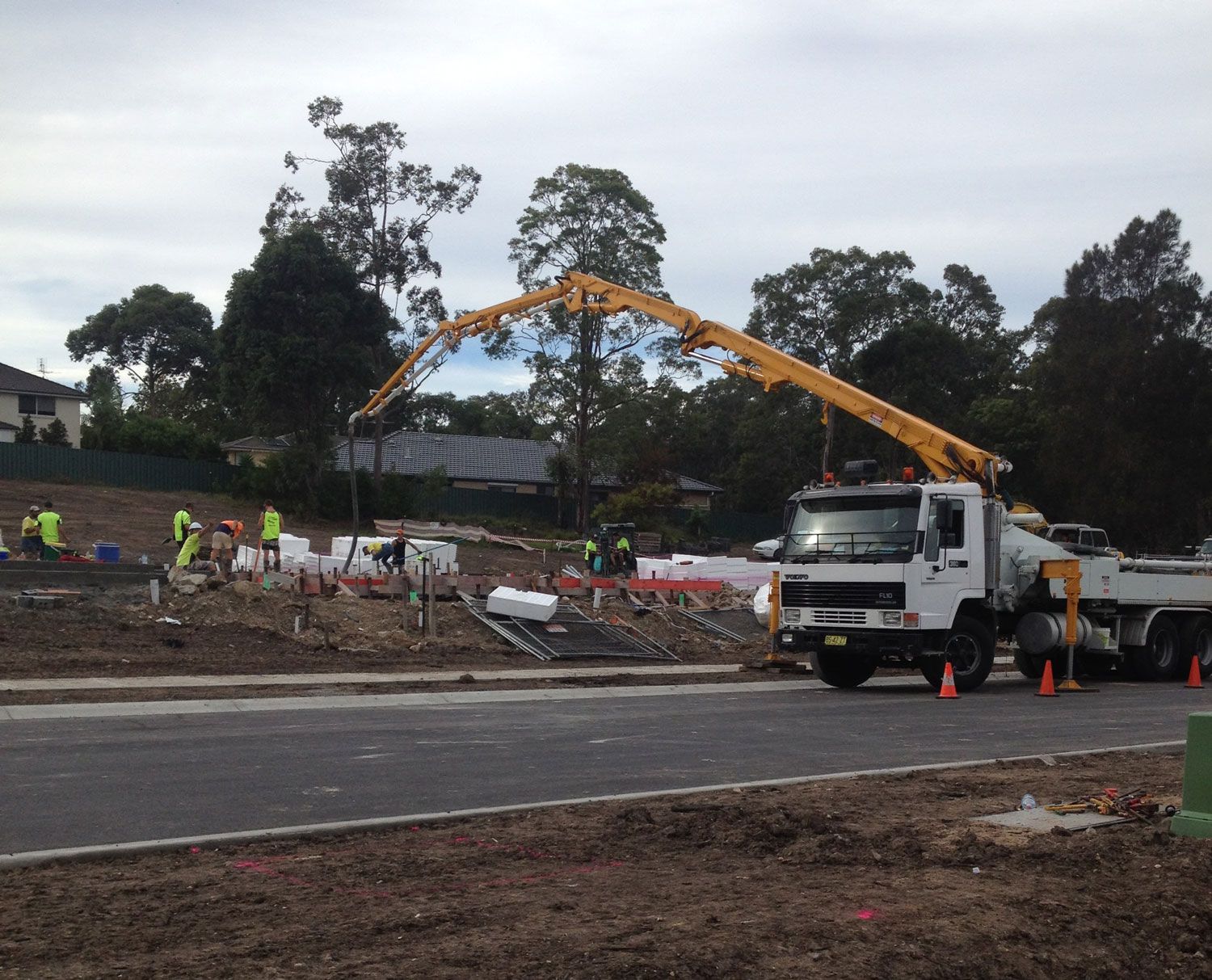
If that route is narrow, uneven or difficult to navigate with loaded wheelbarrows, manual placement becomes more demanding. A line pump can use hoses routed from the truck to the pour point, allowing concrete to reach areas that are difficult to access directly. This can be useful for:
- Backyard slabs behind existing homes
- Pool surrounds with restricted access
- Renovations where the truck must stay on the street
- Pour locations separated from the truck by a long horizontal run
- Sites where repeated wheelbarrow movements would be impractical
Does Every Difficult Site Need the Same Pump?
No. Pump selection depends on the site layout and placement requirements. Line pumps can suit restricted access and horizontal runs, while boom pumps can provide placement from above for certain elevated or difficult-to-reach pours. For a clearer comparison, read Allout's guide to boom pump vs line pump.
Before pumping begins, the operator must assess access, equipment positioning and ground stability, including suitable outrigger placement where applicable. A site that looks accessible from the street may still need careful setup planning.
Does Pumping Give You a Better Slab Finish?
A concrete pump doesn't automatically guarantee a better finished slab. The final result still depends on preparation, concrete quality, placement practices and the skill of the finishing crew. However, pumping can make the placement process more consistent.
Why Does Continuous Placement Matter?
When concrete arrives in separate wheelbarrow loads, the crew must coordinate repeated deliveries while spreading and levelling the material. Pumping provides a more continuous supply, helping the crew work across the prepared area with fewer interruptions to delivery. This can support a more uniform finish, particularly on slabs where consistent placement is important.
Does Accurate Placement Reduce Extra Work?
Directing concrete towards the required location can reduce unnecessary movement around the pour area. That is particularly useful where access is limited or the slab layout includes sections that are difficult to reach manually. The pump handles delivery, while the concreting crew remains responsible for placing and finishing the material correctly.
Concrete pumping offers clear advantages, but it isn't necessary for every job. If the mixer truck can safely position close to a small pour and discharge directly through its chute, that may be the simplest option. Similarly, a very small pour with straightforward access might be manageable using wheelbarrows.
When Might a Wheelbarrow or Chute Be Enough?
Concrete pumping offers clear advantages, but it isn't necessary for every job. If the mixer truck can safely position close to a small pour and discharge directly through its chute, that may be the simplest option. Similarly, a very small pour with straightforward access might be manageable using wheelbarrows.
When Should You Consider Skipping the Pump?
Manual placement or direct chute delivery may be suitable when:
- The pour is relatively small
- The truck can reach the discharge point safely
- Access between the truck and pour area is short and clear
- The crew can manage placement without excessive manual handling
- Pump setup would offer little practical advantage
The important distinction is whether the pump solves a genuine access or placement problem.
How Do You Decide Before Booking?
Start by describing the job rather than assuming you need a particular pump. Tell the operator where the mixer truck can stop, where the concrete needs to go and whether there are access restrictions. Photos or a site plan may help explain the layout.
Allout Concrete Pumping can assess these details and discuss whether pumping suits the proposed pour. We offer 24/7 availability, although booking arrangements should be confirmed directly. For projects in the Hunter Valley, explore concrete pumping in the Hunter Valley to learn more.
Pumping is particularly useful when access is restricted, manual transport would be demanding or continuous placement would help the crew. When a truck can discharge directly into a straightforward pour, a pump may not be needed.
The benefits of concrete pumping come down to choosing the right placement method for the site. Contact Allout Concrete Pumping with your pour details and access requirements for a practical recommendation before you book.
Frequently Asked Questions
Is a Concrete Pump Worth the Cost for a Small Job?
It depends on access, the amount of concrete and how easily the crew can place it manually. Pump type, site setup and pour duration can affect pricing. Read how much does concrete pump hire cost in Australia and request a quote for your specific job.
Does Using a Concrete Pump Mean Less Labour on Site?
A pump reduces the need for repeated wheelbarrow trips and heavy manual transport. Workers are still required to prepare, spread, level and finish the concrete.
Can a Pump Get Concrete Into My Backyard if the Truck Can't Get In?
Often, yes. A line pump can route hoses from the truck to the pour point, subject to site access and equipment suitability. The operator assesses the layout before confirming the approach.
Is Pumping Safer Than Barrowing Concrete?
Pumping can reduce manual handling associated with moving heavy wheelbarrow loads, but it introduces equipment-specific risks that must be managed. Allout checks ground stability and outrigger positioning before pumping, and its vehicles carry the required WorkCover documentation.