Boom Pump Vs Line Pump: Which One Does Your Project Need?
Choosing between a boom pump vs line pump comes down to where the concrete needs to go and how the pump can access and set up on the site. Line pumps suit longer horizontal runs and tight ground-level access, while boom pumps suit elevated pours and jobs that need controlled placement from above.
You do not need to make that decision alone. An experienced concrete pump operator can assess your access, pour type and volume, and placement points before recommending the right setup.
Boom Pump vs Line Pump: The Short Answer
The main difference in the boom pump vs line pump comparison is how concrete reaches the pour point.
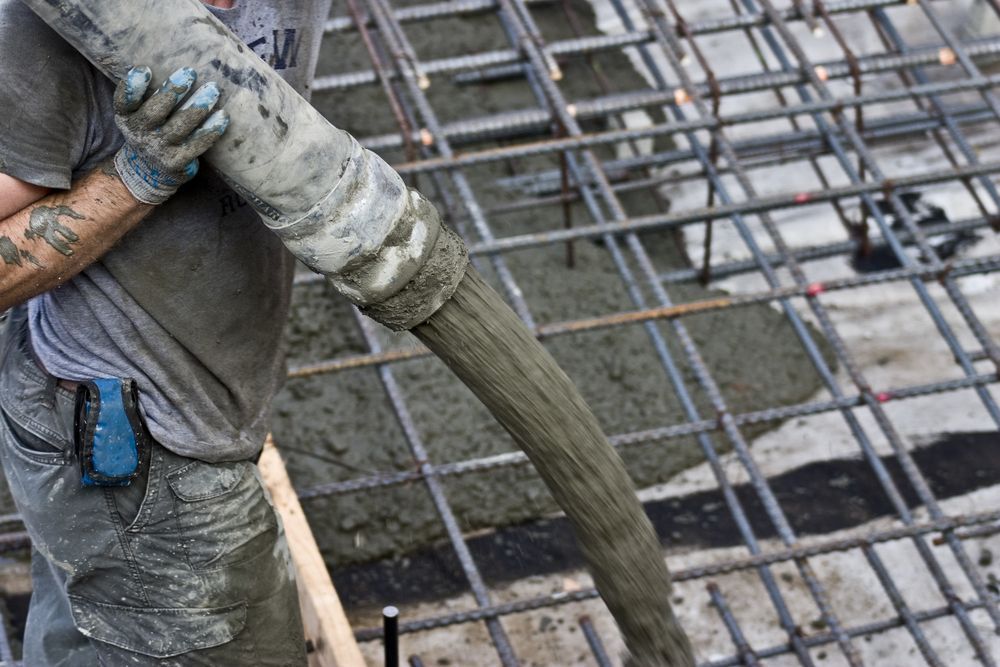
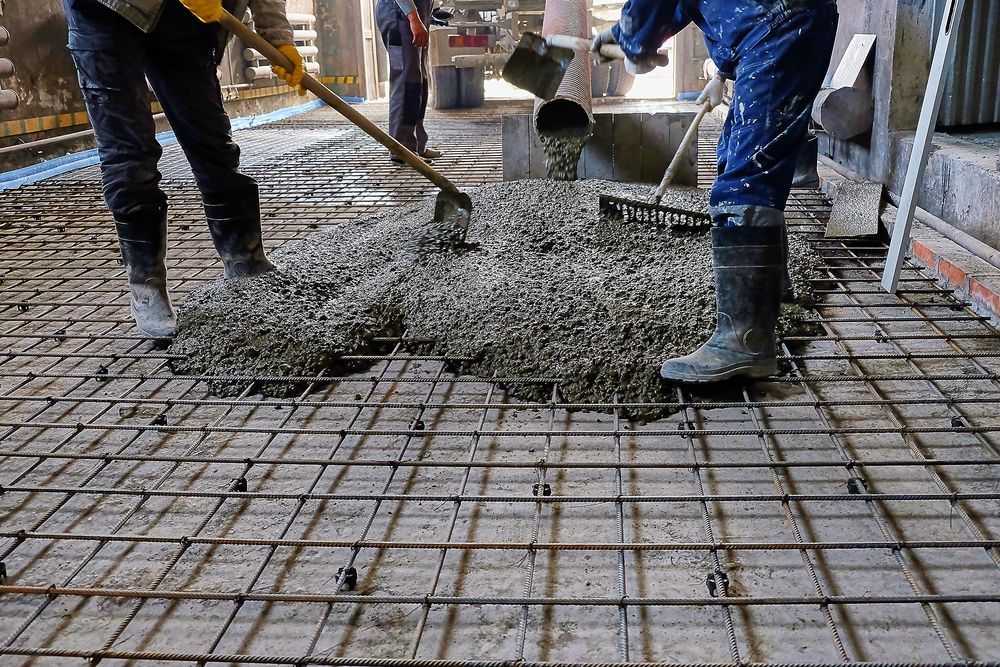
A line pump sends concrete through hoses routed from the truck to the placement area. This makes it useful where the truck cannot position directly beside the pour, particularly on tight sites or where concrete needs to travel horizontally to a hard-to-reach area.
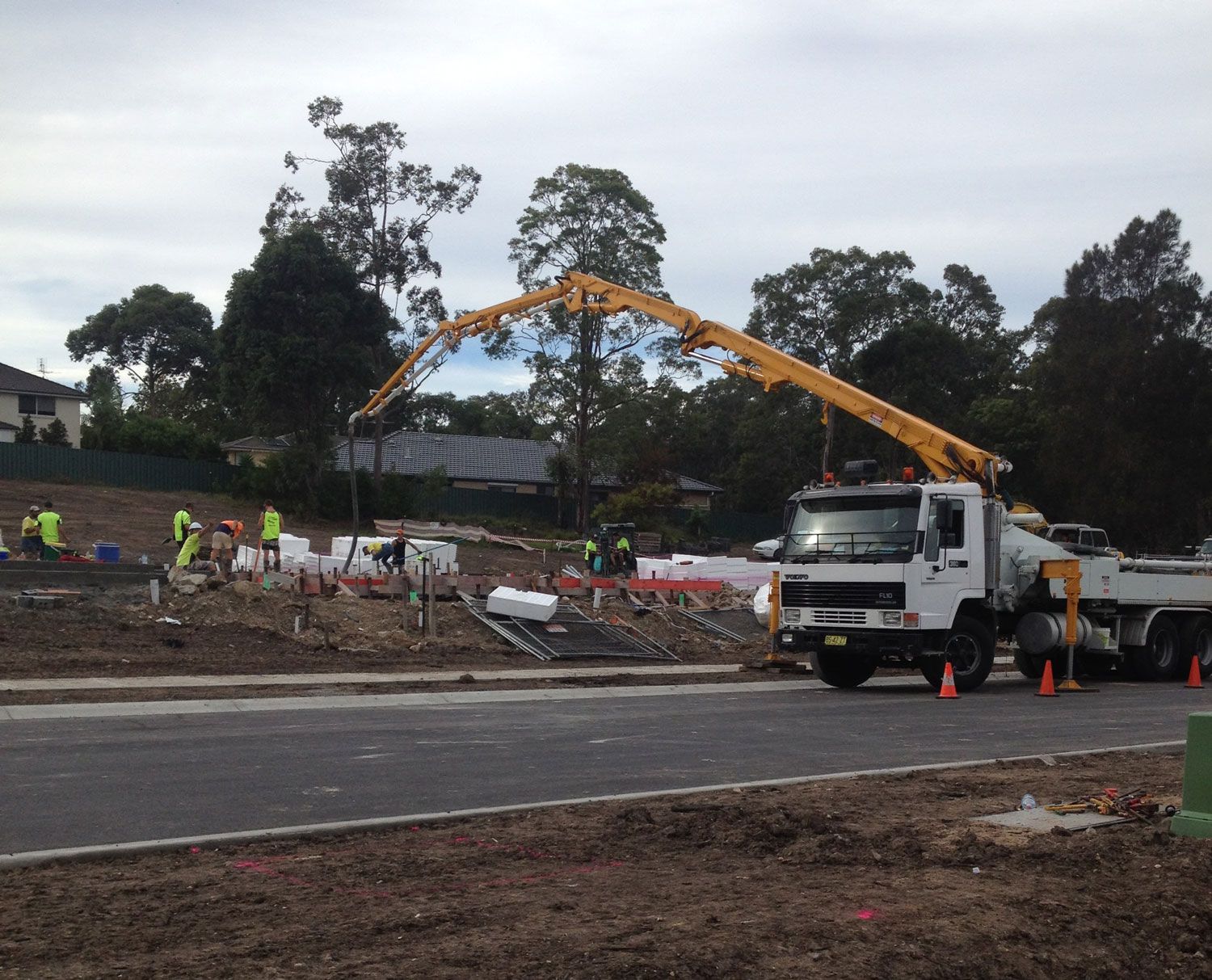
A concrete boom pump provides vertical reach and controlled placement from above. That makes it better suited to elevated pours and structured slabs where ground-level placement is not practical.
Neither pump is automatically the better choice. The right option depends on three factors: site access and positioning, pour type and volume, and where the placement points are located.
What Is a Concrete Line Pump?
A concrete line pump moves concrete from the truck to the pour point through hoses. The pump crew routes those hoses through the site based on where the truck can safely position and where the concrete needs to end up.
That flexibility makes line pumps particularly useful for tight or hard-to-reach ground-level sites and longer horizontal runs. If the truck cannot get close to a backyard slab, driveway or footing, the hose provides a practical route between the pump and placement point.
For example, consider a backyard patio behind a house where there is no suitable truck access to the rear. Rather than trying to position the pump beside the slab, the operator can assess the available setup area and determine an appropriate hose route from the truck to the backyard.
The important point is that a line pump is not simply a lesser alternative to a boom pump. On a tight ground-level site, it can be exactly the right equipment because the hoses can follow the available access to the pour.
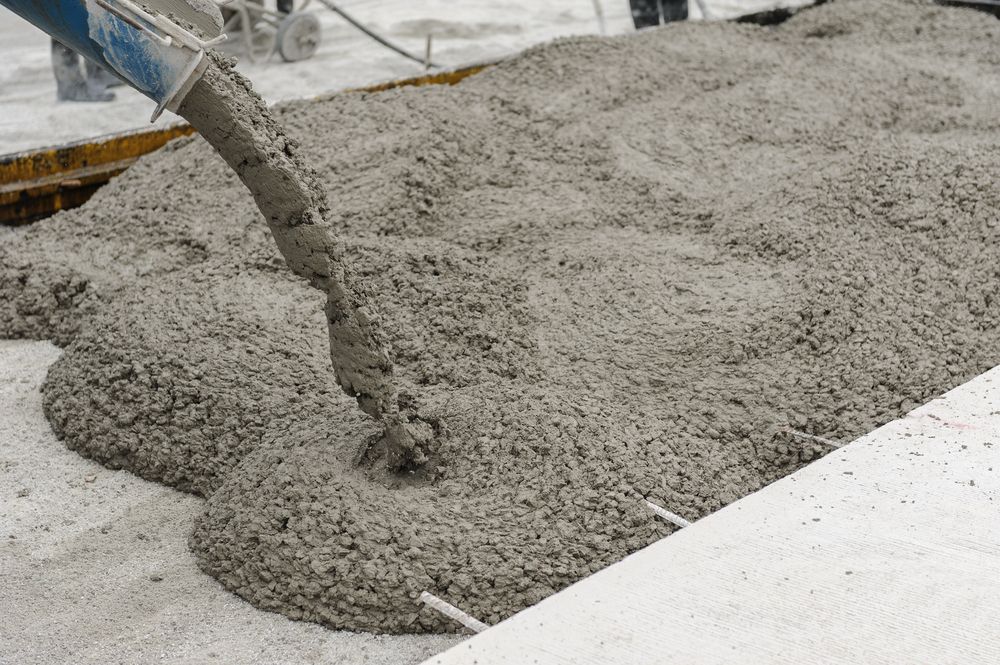
Continuous placement can also support a more uniform finish, particularly on slabs, by helping the concreting crew maintain a steady pour. According to industry best practice, however, the pump choice should follow an assessment of the complete site rather than one feature of the job in isolation.
What Is a Concrete Boom Pump?
A concrete boom pump is built for vertical reach and controlled concrete placement from above. Instead of relying on a hose route along the ground for the full distance to the pour, the boom allows concrete to be directed into placement areas that require an elevated approach.
That makes boom pumps well suited to elevated and upper-level pours. They also suit structured slabs and other jobs where controlled placement from above makes more sense than trying to reach the area from ground level.
Consider an elevated slab as an example. The key issue is not simply how much concrete the job requires; it is where that concrete needs to be placed. A boom pump provides the vertical approach needed for this type of placement.
However, having a job that suits a boom does not mean the pump can simply arrive and start pouring. The crew still needs an appropriate setup position and must assess site access and ground conditions before pumping starts.
Ground stability and correct outrigger placement form part of that assessment. This is why deciding when to use a boom pump involves looking at both the placement point and the area where the equipment will operate.
Which Pump Does Your Project Need?
The easiest way to answer which concrete pump do I need? is to start with the job rather than the machine. Look at where the pump can safely position, the type and volume of the pour, and the location of each placement point.
Backyard slab or patio with limited access
A line pump will often suit this setup. If the pump truck needs to remain at the front of the property while the concrete goes into a backyard, hoses can be routed through the available access towards the pour point.
Line pumps handle plenty of residential concrete pumping jobs such as backyard slabs, patios, driveways and footings where access is tight. The important factor is the site's actual access, not simply the fact that it is a residential job.
Driveway or footing with a long run from the street
A ground-level driveway or footing with a longer run from the available truck position will also commonly point towards a line pump.
The operator considers where the truck can safely set up and the route the hoses can take from there to the placement area. In this situation, the horizontal run and available site access are more useful decision factors than the name of the project itself.
Elevated or upper-level pour
An elevated or upper-level pour generally points towards a boom pump because boom pumps are built for vertical reach and controlled placement from above.
The operator still needs to assess the available pump position and how the equipment can be set up safely in relation to the placement points. Choosing a boom does not remove the need for proper site planning.
Large-volume commercial or industrial slab
There is no automatic pump choice based on volume alone. For a large commercial or industrial slab, the crew needs to consider pour volume alongside the site layout, available pump position and location of the placement points.
A boom may suit a structured slab requiring controlled placement from above, while the requirements of another site may point towards a different setup. Allout also handles commercial concrete pumping where pump selection depends on the practical demands of the individual pour.
Maintaining continuous placement where possible can also support a more uniform slab finish. The aim is to match the pumping setup to how the concreting crew actually needs to place the concrete.
What About Booster Pumps?
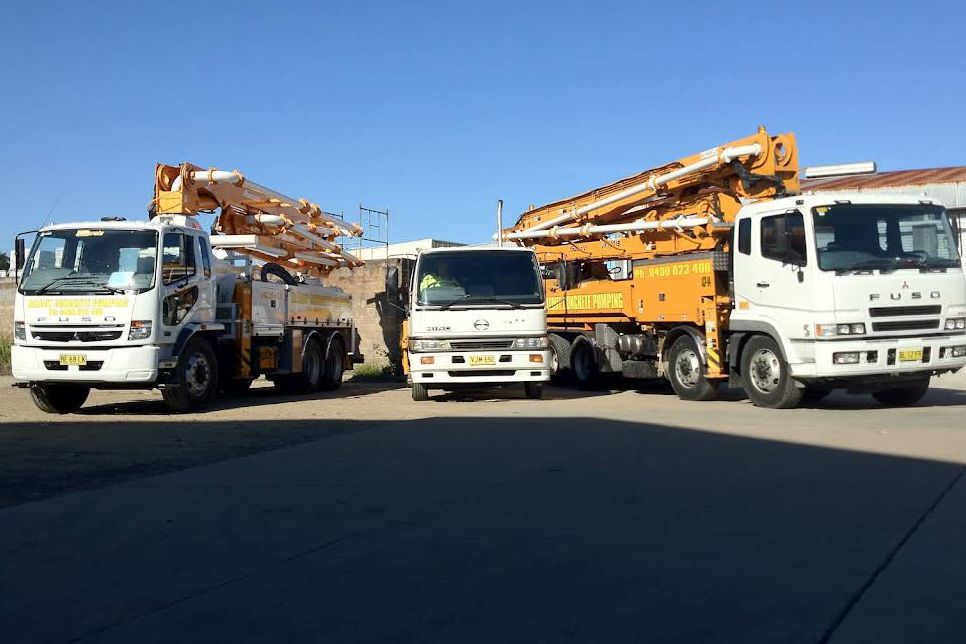
Line and boom pumps are not the only options Allout Concrete Pumping operates. Some jobs require a booster pump concrete setup where concrete needs to move uphill or over distance and extra pressure is required to maintain a steady flow.
A booster pump addresses a specific problem: distance or elevation that would otherwise make it difficult to keep the concrete flowing as required. It does not remove the need to assess the rest of the pumping setup.
This is another reason to explain the whole job to the pump crew rather than requesting equipment based solely on its name. The operator can consider the route, elevation, access and placement points together before deciding whether a booster is required.
You Don't Have to Choose — Here's What Your Operator Checks
The customer does not need to diagnose the job or select the pump before requesting concrete pumping services. With more than 10 years in the industry and experience across residential, commercial and industrial work, Allout Concrete Pumping approaches pump selection from the practical requirements of the site.
The crew looks at where the pump can position, whether there is enough room to set up, the available route in and out, pour type and volume, and where the concrete needs to be placed. Ground stability and correct outrigger placement are also checked before pumping begins where applicable.
Choosing the machine is only part of a successful pour. You can read more about the role of skilled operators in efficient concrete pumping and what matters once the equipment reaches the site.
If your pour is in the Hunter Valley, Allout's page on concrete pumping in the Hunter Valley explains how line, boom and booster pumps are matched to local site conditions and access.
If you are unsure which pump your job requires, describe your access, pour type, approximate volume and placement points to the Allout Concrete Pumping team. An experienced operator can recommend a suitable setup rather than leaving you to guess between line, boom and booster equipment.
The takeaway from the boom pump vs line pump decision is straightforward: line pumps generally suit horizontal distance and difficult ground-level access, while boom pumps suit vertical reach and controlled placement from above. For projects in the region, you can also review Allout's information on concrete pumping in the Hunter Valley, or contact our team with your project details and have an experienced operator recommend the right setup for your pour.
Frequently Asked Questions
Is a line pump cheaper than a boom pump?
Cost depends on the pump the job actually requires, how long the pour takes and how much setup the site needs, so choosing by assumed price can lead you towards the wrong equipment. Allout's guide to how much does concrete pump hire cost in Australia explains the cost considerations in more detail; for your specific job, request a quote based on the actual site and pour.
Can I use a line pump for an upper-level pour?
Boom pumps are built for vertical reach and controlled placement from above, which is why elevated and upper-level pours generally call for a boom. The operator should assess the site's access, setup position and placement points before confirming the equipment.
Do I have to choose the pump type when I book?
No. Give the operator details about your site access, pour type and volume, and where the concrete needs to be placed. An experienced operator can assess those factors and recommend the appropriate line, boom or booster setup.
Which pump is better for a residential driveway or backyard slab?
Line pumps often suit residential driveways and backyard slabs because their hoses can be routed into tight, hard-to-reach areas and along longer horizontal runs from the truck. Access remains the deciding factor, though, rather than the residential job label itself.